Experienced Exterior Cladding Services to Transform Your Home's Curb Appeal
Specialist exterior services deliver homeowners a practical solution to enhance curb appeal. High-quality materials and professional installation can address common exterior issues while providing lasting protection. Various siding options exist, each with distinct benefits that cater to different aesthetic and functional needs. Understanding these choices is essential for making an informed decision. What factors should be taken into account when picking the right siding for a property? The answer may surprise many homeowners.
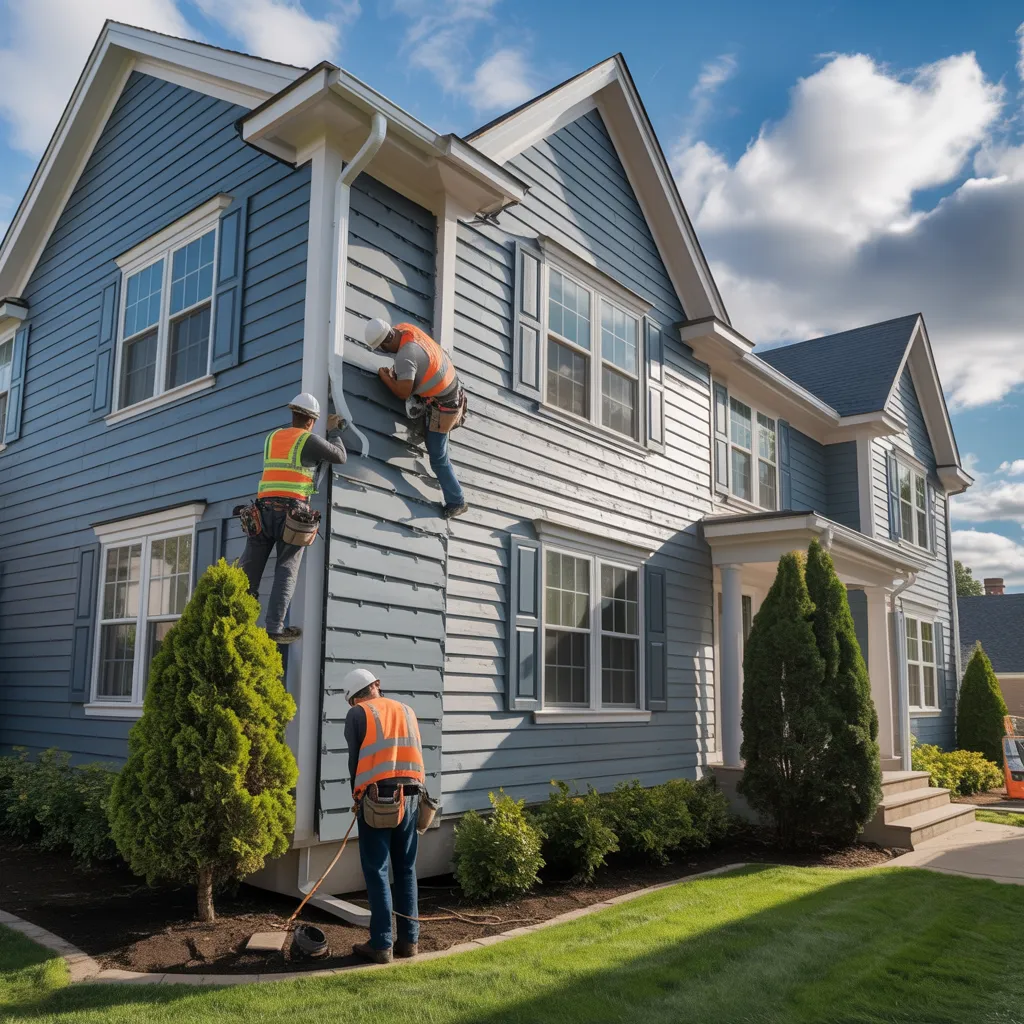
Why Quality Siding Fixes Frequent Curb Appeal Concerns
When homeowners want to upgrade their property's curb appeal, premium siding proves to be a crucial fix to typical curb appeal issues. Worn or aging siding can reduce a home's appeal, making it seem neglected. By adding high-quality siding, homeowners can greatly improve the aesthetic of their property, establishing a new and welcoming appearance. New siding not only rejuvenates the façade but also helps to protect the underlying structure from weather-induced damage, thereby protecting the home's integrity.
Moreover, quality siding comes in a variety of colors and styles, letting homeowners to modify their look according to personal style and neighborhood trends. This diversity can raise a property's market value, making it more engaging to potential buyers. Ultimately, putting money into quality siding confronts both immediate visual concerns and long-term maintenance issues, ensuring that a home stands out positively within its community.
Vinyl, Wood, and Fiber Cement Analysis: Finding the Perfect Siding Material for Your Requirements
When evaluating siding materials, property owners frequently consider factors like cost, resilience, and aesthetic appeal. Vinyl, wooden materials, and cement-based each provide different strengths and challenges that may influence your decision-making process. Understanding these features allows individuals to identify the most suitable solution for their needs and preferences.
Pricing and Financial Planning
Opting for the correct siding material requires attention to not only appearance but also careful consideration of cost and long-term budget factors. Vinyl siding commonly serves as the budget-friendly choice, typically demanding a lower upfront cost and minimal maintenance expenses. Wood siding, however, is a more costly option, featuring elevated installation charges and persistent upkeep needs that may add up. Fiber cement siding holds a mid-range price level, combining durability that might offset its cost in the long run. Homeowners need to review their financial position and take into account possible expenses related to installation, maintenance, and energy efficiency for each material, ensuring an informed choice that fits their budget.
Longevity and Upkeep Needs
Reviewing endurance and upkeep requirements is crucial for homeowners choosing siding materials. Vinyl siding is celebrated for its toughness, demanding minimal upkeep, as it prevents color loss and can be easily cleaned. In contrast, wood siding delivers natural aesthetics but demands regular maintenance, like painting or staining to prevent rot and insect damage. Fiber cement siding balances both types, delivering durability comparable to vinyl while offering improved protection to weather and pests. However, it necessitates regular repainting. Homeowners must examine these considerations against their habits and willingness to spend time and resources into maintenance. Ultimately, the type of siding material should reflect both durability expectations and maintenance preferences.
Visual Appeal Alternatives
A homeowner's selection in siding material plays a crucial role in the property's overall visual attractiveness. Vinyl siding offers a variety of colors and styles, allowing homeowners to achieve a contemporary style with minimal upkeep. Its affordability and versatility make it a popular option. In contrast, wood siding shows a classic charm, offering natural beauty and coziness. However, it needs more maintenance to limit decay and fading. Fiber cement siding combines the ideal qualities by emulating wood's look while ensuring enhanced durability and low maintenance. It is offered in many colors and textures, compatible with different architectural styles. Ultimately, the choice among vinyl, wood, and fiber cement depends on the homeowner's aesthetic preference and maintenance commitment.
Your Power Costs and Exterior Choices
While homeowners often prioritize aesthetics when selecting siding, the effect on energy bills is equally noteworthy. Various siding materials offer varying levels of insulation, which can considerably influence heating and cooling costs. For example, insulated vinyl siding can lower energy consumption by minimizing heat loss in winter and heat gain in summer. In comparison, materials like wood or standard vinyl may not provide the same energy efficiency, resulting in higher utility bills.
Furthermore, the hue and feel of siding can affect energy efficiency. Lighter colors reflect sunlight, potentially lowering cooling costs, while darker tones take in heat. As such, homeowners should consider both the visual appeal and energy performance of their siding choices. Ultimately, selecting energy-efficient siding not only improves curb appeal but also contributes to long-term savings on energy bills, making it an important aspect in the decision-making process.
How to Guarantee Proper Siding Setup for Durability?
Proper siding installation is essential for preserving its longevity and performance. To realize this, homeowners should retain qualified siding experts with established expertise. These experts understand the nuances of various materials and the critical nature of correct alignment and dependable fastening methods.
Additionally, choosing high-quality materials is essential; inferior products may deteriorate rapidly, undermining the installation's integrity. Before installation, the foundational structure must be examined for deterioration or moisture issues, as these can cause significant problems later.
Effective weather sealing techniques, such as installing a moisture barrier, further enhance durability. Once the siding is in place, consistent care, encompassing cleaning and inspections, can avoid minor issues from becoming severe.
The Impact of Shade and Texture on Making Your Home Stand Out
Determining the best tone and material for siding can alter a home's exterior, substantially increasing its curb appeal. Vibrant hues can command attention and develop a modern appearance, while neutral tones often radiate sophistication and permanence. For instance, a striking blue or dark crimson can make a house stand out in a neighborhood, whereas soft grays and whites can create a tranquil setting.
Texture also plays a significant role; refined finishes can create a current feel, while coarse surfaces lend a rustic charm. Combining multiple materials, such as wood and vinyl, can create visual dimension and depth. Additionally, the choice of color and texture can mirror personal style and complement the surrounding landscape. Ultimately, a thoughtful selection of siding color and texture not only enhances the home’s appearance but also boosts its market value, making it a wise investment for homeowners looking to differentiate themselves.
Maintenance Recommendations to Keep Your Siding Looking New
Routine maintenance is vital for upholding the look and durability of siding. Homeowners should begin by cleaning the siding at least twice yearly, using a combination of water and mild detergent. This aids in removing dirt, mold, and mildew that may accumulate over time. In addition, inspecting for cracks or damage is essential; any issues should be repaired promptly to stop further deterioration.
Using a protective coating every few years can improve longevity, especially for wooden exterior. Property owners should also verify that gutters and downspouts are clean to avoid moisture damage. Plants, like bushes or trees, should be cut back from the siding to prevent moisture retention and insect problems.
Finally, applying new paint when necessary does more than brighten the appearance but also serves as an supplementary layer of protection. Using these maintenance guidelines can help keep siding looking like new and extend its longevity considerably.
Learning About What Qualified Siding Companies Provide
Maintaining siding is an vital part of residential maintenance, but when it comes to significant upgrades or replacements, professional siding services can supply expert guidance. Homeowners can receive a thorough assessment of their current siding condition, uncovering any underlying issues such as wood rot or fungal growth. Professionals offer a variety of materials and aesthetics, advising homeowners in determining options that enhance both aesthetics and durability.
During the installation process, clients can anticipate efficient project management, guaranteeing timelines are met while curtailing disruptions. Skilled technicians will handle all aspects, from extracting old siding to guaranteeing proper insulation and moisture barriers are installed.
After installation, many services offer warranties, delivering peace of mind for homeowners. Additionally, professionals often educate clients on upkeep procedures to prolong the lifespan of their new siding. Overall, employing professional siding services not only boosts curb appeal but also ensures a quality installation that stands the test of time.
Regular Questions Asked By Users
How Much Time Does the Siding Installation Process Typically Take?
The siding installation procedure generally requires one to three weeks, based on the project's complexity, weather conditions, and the size of the home. Factors such as selection of materials and availability of workers can likewise affect the schedule.
Discover the Finest Cladding Alternatives for Intense Weather
When facing extreme weather, cement fiber, vinyl, and insulated siding represent ideal choices. These components ensure durability, resistance to moisture, and protection against high winds, maintaining homes safe and energy-efficient in extreme climate.
Can You locate credit options for siding projects?
Countless homeowners secure multiple payment solutions for siding projects, including conventional loans, home equity credit options, and contractor payment programs. These alternatives can ease costs while ensuring quality materials and installation for their homes.
Does Siding Replacement Boost Your Home's Property Value?
Adding siding can markedly raise a home's selling potential. Potential buyers often value visual appeal and reliability, making superior siding an standout feature that strengthens overall appeal and can bring about higher offers during sales.
How Regularly Should I Swap Out My Home's Outer Panels?
Homeowners ought to think about replacing siding every 20 to 40 years, based on material quality and climate conditions. Routine evaluations can assist in detecting damage and inform prompt replacement decisions, essential information ultimately maintaining both visual appeal and structural soundness.